

Mobile Devices: A Comprehensive Buying Guide
In the ever-evolving world of consumer electronics, mobile devices stand out as essential tools that connect us to the digital landscape. This category encompasses a range of products including smartphones, tablets, and e-readers, each designed to cater to different needs and preferences. Understanding the nuances of these devices is crucial for making informed purchasing decisions.
The Buying Lens for Mobile Devices
When considering mobile devices, several key factors should guide your decision-making process. First and foremost, assess your primary usage requirements. Are you looking for a device primarily for communication, entertainment, productivity, or reading? Each type of mobile device serves distinct purposes and understanding these can help narrow down your options.
Another important consideration is the ecosystem. Different devices operate on varying platforms—such as iOS, Android, or proprietary systems—each offering unique features, apps, and user experiences. Your familiarity with these ecosystems can influence your satisfaction with a device, so it's worth evaluating how well a new device fits into your existing tech environment.
Battery life and portability are also critical factors. For users who are frequently on the go, choosing a lightweight device with long battery life can enhance usability. Additionally, screen size and resolution may impact your experience; larger screens are often more suitable for media consumption and productivity tasks, while smaller devices may be more convenient for portability.
Understanding the Leaf Categories
The mobile devices category is divided into three primary leaf categories, each catering to different user needs:
-
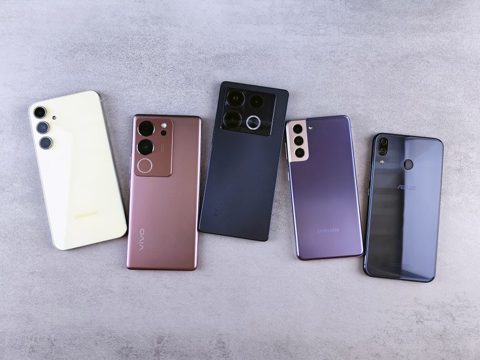
Smartphones: These multifunctional devices are designed for communication, social media, photography, and much more. They are ideal for users who require a compact, all-in-one device that can handle a variety of tasks. With powerful processors and extensive app ecosystems, smartphones are suitable for both casual users and professionals alike.
-
Tablets: Tablets offer a larger screen experience compared to smartphones, making them ideal for browsing the web, watching videos, and engaging in creative tasks such as drawing or note-taking. They often serve as a bridge between smartphones and laptops, appealing to those who need more screen real estate without the bulk of a full laptop. Tablets are perfect for users who enjoy media consumption or require a device for light productivity tasks.
-
E-Readers: Dedicated e-readers are specifically designed for reading digital books and documents. They typically feature e-ink technology, which provides a paper-like reading experience and minimizes eye strain. E-readers are best suited for avid readers who prioritize long battery life and a lightweight design, allowing them to carry an entire library in their hands.
Where to Start and Common Mistakes to Avoid
When embarking on your journey to purchase a mobile device, start by identifying your primary use case. Consider what features are most important to you, whether it's camera quality, battery life, or app availability. Conducting thorough research and comparing options within each leaf category can help you make a more informed decision.
One common mistake to avoid is underestimating the importance of software updates and support. Some devices may offer great hardware but lack regular software updates, which can lead to security vulnerabilities and a diminished user experience over time. Always check the manufacturer's reputation for software support and consider how long you plan to use the device.
In conclusion, understanding the various mobile devices and their intended uses is essential for making a well-informed purchase. By considering your needs and the unique characteristics of smartphones, tablets, and e-readers, you can find the perfect device that fits seamlessly into your lifestyle.