Home Security: Watch, Lock, and Protect
In an era where smart technology is increasingly woven into our daily lives, home security has become a vital component of the smart home ecosystem. The right home security solutions not only safeguard your property and loved ones but also provide peace of mind. As you explore the world of home security, it’s essential to understand the various components and how they can work together to create a comprehensive safety net.
The Buying Lens for Home Security
When considering home security, the primary factors to evaluate include your specific needs, the layout of your home, and the level of security you desire. Start by assessing the vulnerabilities of your property: Are there areas that are poorly lit? Do you have easy access points that could be targeted? Understanding these aspects can guide your choices.
Another critical consideration is the integration of devices. Many smart home security products are designed to work seamlessly together, allowing for a cohesive system that can be monitored and controlled from a single app. Look for products that offer compatibility with your existing smart home devices, as this can enhance your security experience.
Lastly, consider the ease of use and installation of the products. Some systems may require professional installation, while others can be set up by homeowners without any technical expertise. Choose a solution that fits your comfort level and capabilities.
Exploring Leaf Categories
Home security encompasses various components, each serving a distinct purpose. Here’s a closer look at the three primary leaf categories:
-
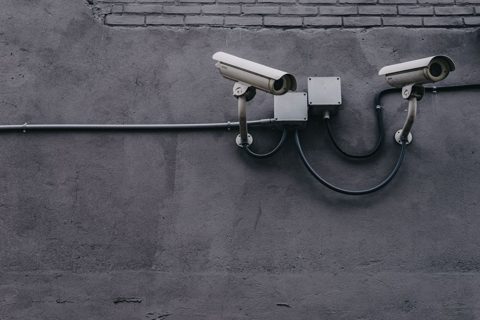
Security Cameras: These devices are essential for monitoring your home in real-time. They come in various forms, including indoor, outdoor, and doorbell cameras. Security cameras are ideal for homeowners who want to keep an eye on their property, deter potential intruders, and have recorded footage for later review. Look for features like motion detection, night vision, and two-way audio to enhance functionality.
-
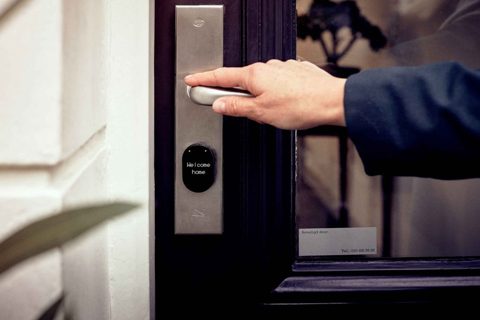
Smart Locks: Smart locks offer a modern alternative to traditional locks, allowing homeowners to control access to their property remotely. They can be programmed to grant access to specific individuals at designated times, making them perfect for families or those who frequently have guests. Consider smart locks if you seek convenience and enhanced security, particularly if you often forget to lock your doors or want to eliminate the need for physical keys.
-
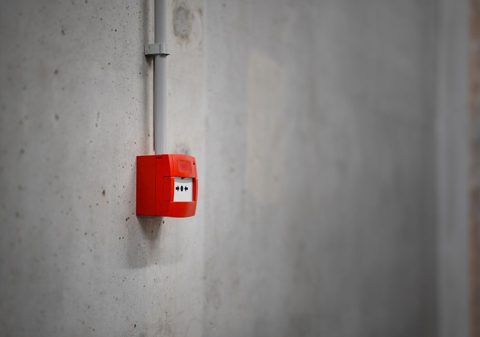
Alarm Systems: Alarm systems serve as a critical deterrent against break-ins and can alert homeowners to potential threats. They can be monitored professionally or set up for self-monitoring, depending on your preference. Alarm systems are suitable for those looking for comprehensive protection that includes sensors for doors and windows, motion detectors, and emergency alerts.
Where to Start and Common Mistakes to Avoid
Starting your journey into home security can feel overwhelming, but a systematic approach can simplify the process. Begin by identifying the most vulnerable areas of your home and determining which leaf category aligns best with your immediate needs. For many, starting with security cameras can provide a visual deterrent and help you assess other areas of concern.
A common mistake to avoid is underestimating the importance of integration. Many homeowners purchase devices piecemeal without considering how they will work together. Before making any purchases, ensure that your chosen devices can integrate with one another and with your existing smart home ecosystem. This will not only enhance your security but also streamline your user experience.
In conclusion, home security is a multifaceted aspect of smart living that requires careful consideration. By understanding your needs and the distinct functions of security cameras, smart locks, and alarm systems, you can create a tailored solution that effectively protects your home and loved ones.